The
Aurelian
School

Through Night, Unto Dawn

European Literature

Origin stories for distinctive European ethnic groups

  • Item description
    1. History of the English People, Bede, 731

    2. Beowulf, N/A, 800s

    3. The Brut, Layaman,

    4. Le Morte d’Arthur, Thomas Malory,

    5. Piers Plowman, William Langland, 1370

    6. Historia regum Britanniae, Geoffrey of Monmouth, 1136

    7. Poetry, Pearl Poet, 1300s

  • Item description
    1. Mythological Cycle, N/A, 700s

    2. Ulster Cycle (Táin Bó Cúailnge), N/A, 750

    3. The Voyage of Saint Brendand, N/A, 800

    4. The Book of the Taking of Ireland, N/A, 1000s

    5. War of the Irish with the Foreigners, N/A, 1000s

    6. Tristan and Iseult, N/A, 1100s

    7. The Fenian Cycle (Tales of the Elders) N/A, 1200

    1. Reynard the Fox, Willem, 1250

    2. The Flower of Nature, Jacob van Maerlant, 1263

    3. Beatrijs

    4. Charlamagne and Elbegast, N/A, 1200s

    5. Seven Ways of Holy Love, Beatrice of Nazareth, 1200s

    1. Kalevala & Kanteletar, Elias Lönnrot, 1835, 1840

    2. The Tales of Ensign Stål, Johan Runeberg, 1848

    3. The Song of the Blood-Red Flower, Johannes Linnankoski, 1869

    4. Seven Brothers, Aleksis Kivi, 1870

    5. Meek Heritage, Frans Eemil Sillanpää, 1888

    1. Lion of Flanders, Hendrik Conscience, 1838

    2. Legend of Thyl, Charles De Coster, 1867

    3. The Belgian, Camille Lemonnier, 1888

    4. Under the Robe, Eugène Demolder, 1897

    5. Fairy Tales, Hans Christian Anderson, 1835

    6. Pallieter, Felix Timmermans, 1916

    1. Song of Roland, N/A, 1000s

    2. Arthurian Romances, Chretien de Troyes, 1100s

    3. Letters of Abélard and Héloïse, Abélard, 1133

    4. Chronicles of the Crusades, Jean Joinville, 1212

    5. Romance of the Rose, Lorris & Meung, 1230-75

    1. Hildebrandslied, N/A, 830

    2. The Song of the Nibelungs, N/A, 1200

    3. Parzival, Wolfram Eschenbach, 1200

    4. Weisskunnig, Maximilian I, 1501

    5. Book of Heroes (Heldenbuch), N/A, 1500s

    6. Faust, Johann Wolfgang von Goethe, 1808

    1. The Iliad, Homer, 750 BC

    2. The Odyssey, Homer, 740 BC

    3. The Theogony, Hesiod, 700 BC

    4. Oresteia & Prometheus Bound, Aeschylus, 458 BC

    5. Theban Cycle, Sophocles 400 BC

    1. Bellum Civile, Caesar, 40s BC

    2. Metamorphoses, Ovid, 8

    3. Aeneid, Virgil, 19

    4. Meditations, Marcus Aurelius, 161

    5. Confessions, St. Augustine, 397

    1. The Saga of the Volsungs, N/A, 1000

    2. Heimskringla, N/A, 1200s

    3. The Prose Edda, Snorri Sturluson, 1220

    4. Laxdæla Saga, N/A, 1245

    5. The Poetic Edda, N/A, 1270

    6. Njal’s Saga, N/A 1280

    1. Travels, Marco Polo, 1300

    2. The Divine Comedy, Dante Alighieri, 1321

    3. Decameron, Giovanni Boccaccio, 1349

    4. Poetry, Petrarch, 1300s

    5. Morgante, Luigi Pulci, 1478

    6. Orlando in Love & Orlando Furioso, Matteo Boiardo & Ldovico Ariosto, 1495-1516

    1. Ynglingatal, Þjóðólfr of Hvinir, 800s

    2. Hákonarmál & Háleygjatal, Eyvindr Finnsson, 900s

    3. Passion and miracles of Blessed Olaf, N/A, 1120

    4. The saga of Þiðrekr of Bern, 1250

    5. Arnljot Gelline, Bjørnstjerne Bjørnson, 1800s

    1. Amadis of Gaul, Garci Rodríguez de Montalvo, 1508

    2. The Lusiad, Luís Vaz Camões, 1572

    3. Cancioneiro Geral, Garcia de Resende, 1500s

    4. Book of Yearnings, Bernardim Ribeiro, 1520s

    5. Palmeirim de Inglaterra, Francisco de Moraes, 1500s

    1. Onega Bylinas, Giljferding, 1871

    2. The Primary Chronicle, N/A 1115

    3. Kievan Chronicle, N/A, 1200s

    4. Galician-Volhynian Chronicle, N/A, 1200s

    5. Dynastic Chronicle of Romanovichi, N/A 1400s

    6. Tale of Igor's Campaign, N/A, 1400s

    7. The Bronze Horseman & Eugene Onegin, Alexander Pushkin, 1830s

    1. The Brus, John Barbour 1375

    2. Liber Pluscardensis, N/A, 1461

    3. Deeds of William Wallace, Harry, 1476

    4. Ane Godlie Dream, Elizabeth Melville, 1603

    5. Poems of Ossian, James Macpherson, 1772

  • Item description
    1. Poem of the Cid, N/A, 1207

    2. Tales of Count Lucanor, Juan Manuel, 1335

    3. Prison of Love, Diego de San Pedro, 1485

    4. Tirant Lo Blanc, N/A, 1490a

    5. La Celestina, Fernando de Rojas, 1499

    1. The Tale About the Horse, Olof von Dalin, 1740

    2. The People of Hemsö, August Strindberg, 1887

    3. The Charles Men, Verner Heidenstam, 1897

    4. The Red Room, August Strindberg, 1879

    5. Gösta Berling's Saga, Selma Lagerlöf, 1891

    1. White Book of Sarnen (William Tell), Hans Schriber, 1474

    2. The Short Chronicle, Jeanne de Jussie, 1500s

    3. Genève Délivrée, Samuel Chappuzeau, 1701

    4. Green Henry, Gottfried Keller, 1855

    5. The King of Bernina, Jakob Heer, 1900

    1. History of Kings of Britain, Geoffrey of M., 1136

    2. The Life of Merlin, Geoffrey of M., 1150

    3. Dream of Rhonabwy, N/A, 1200s

    4. Y Gododdin, N/A, 1200s

    5. The Mabinogion, N/A, 1400s

  • Item description

World Literature

Origin stories for distinctive world ethnic groups

    1. Art of War, Sun Tzu, 400s BC

    2. Analects, Confucius, 300s BC

    3. Tao de Ching, Lao Tzu, 200s

    4. Romance of the Three Kingdoms, Guanzhong Luo, 1300s

    5. The Water Margin, Shi Naian, 1370

    6. Journey to the West, Wu Cheng’en, 1592

    1. Kojiki; or, Records of Ancient Matters, Ō no Yasumaro, 711

    2. Japanese Chronicles, Prince Toneri, 720

    3. Tale of the Bamboo Cutter, N/A, 900

    4. The Tale of Genji, Murasaki Shikibu, 1001

    5. The Tale of the Heike, N/A, 1200s

    6. Essays in Idleness, Urabe Kenkō, 1330

    1. History of the Three Kingdoms, Kim Pusik, 1145

    2. Memorabilia of the Three Kingdoms, Ilyon, 1281

    3. Songs of Flying Dragons, Chong Inji, An Chi, Kwon Chae, 1447

    4. The Cloud Dream of the Nine, Kim Man-Jung, 1687

    5. The Tale of Chunhyang, N/A, 1600s

    1. The Life of Lam-ang, Pedro Bukaneg, 1720

    2. Ifugao Epic Chant, N/A, 500s

    3. Darangen, Panggaga Mohammad, 1930

    4. Tales from the Mouth of the Halawod River, Hugan-an, 1957

    5. Florante at Laura, Francisco Balagtas, 1861

    6. Noli Me Tangere, Jose Rizal, 1887

    1. Ramakien, King Rama I, 1700s

    2. Three Worlds According to King Ruang, King Lithai of Sukhothai, 1300s

    3. Lilit Phra Lo, N/A 1500s

    4. Phra Aphai Mani, Sunthorn Phu, 1800s

    5. Khun Chang Khun Phaen, N/A, 1900s

    1. Bhagavad Gita, N/A 500s BC

    2. Mahābhārata, Vyasa, 400s BC

    3. Meghadūta, Kālidāsa, 400sBC

    4. Ramayana, Valmiki, 200s BC

    5. Kumārasambhava, Kālidāsa, 400s

    6. Tales from Kathasaritsagara, Somadeva, 1070

  • Avesta, Zoroaster, 1000sBC

    The Book of Kings, Ferdowsi, 1010BC

    The Book of the Deeds of Ardashir, Son of Pabag, N/A 200s

    Bundahishn, N/A, 700s

    Vis o Ramin, Fakhruddin As’ad Gurgani, 1000s

    1. The Suspended Odes, N/A, 500s

    2. The Qur’an, Muhammad, 600s

    3. The Biography of the Prophet, Ibn Ishaq, 700s

    4. The Misers, Al-Jahiz, 800s

    5. The Book of Songs, Abu al-Faraj al-Isfahani, 900s

    6. The Epistle of Forgiveness, Abu al-‘Ala’ al-Ma‘arri, 1000s

    7. One Thousand and One Nights, N/A, 1300s

    1. Wisdom of Royal Glory, Yusuf Khass Hajib, 1000s

    2. Divan-i Hikmet, Ahmad Yasawi, 1100s

    3. The Book of Dede Korkut, 1400s

    4. Osman's Dream, N/A 1400s

    5. Epic of Koroghlu, N/A 1700s

    6. Manas Epic, N/A 1800s

    1. The Tanakh, N/A,

    2. The Jewish War, Flavius Josephus, 75

    3. Commentary, Rashi, 1000s

    4. Guide for the Perplexed, Maimonides, 1100s

    5. Babylonian Talmud, N/A, 770

    6. Sefer Hasidim, Rabbi Judah of Regensburg 1200s

  • Item description
  • Popol Vuh, 1500s

  • Item description

Mission: Save the world through Charlotte-Mason’s holistic education rooted in beauty - of the heart, mind, body, soul.

Vision: Manifest a healthy, sustainable future for man and nature alike through G.K. Chesterton’s Distributist framework to guide diverse yet interrelated communities out of a materialistic night, unto a more beautiful dawn.

Hints of Aurelia

From Solzhenitsyn’s Nobel Lecture in 1972:

“Dostoevsky once let drop an enigmatic remark: ‘Beauty will save the world.’ What is this? For a long time it seemed to me simply a phrase. How could this be possible? When in the bloodthirsty process of history did beauty ever save anyone, and from what?

“But a true work of art carries its verification within itself…if the all too obvious and the overly straight sprouts of Truth and Goodness have been crushed, cut down, or not permitted to grow, then perhaps the whimsical, unpredictable, and ever surprising shoots of Beauty will force their way through and soar up…fulfilling the task of all three.

“Could not then art and literature in a very real way offer succor to the modern world?”

Beauty as Education

A World Worth Knowing

  • Reject Mass Schooling

    The global, one-size-fits-all model rooted in 20th Century industry; seeks mass production of laborers through passive, rote instruction in classes meant to teach students how to pass tests, maintain bureaucracies, and reinforce social norms

  • Adopt Holistic Learning

    Aurelia’s model, a synthesis of 21st Century flexibility and traditional mentorship; seeks human fulfillment through personalized studies of classic texts with self-paced development of skills meant to lead students to a healthy, beautiful life
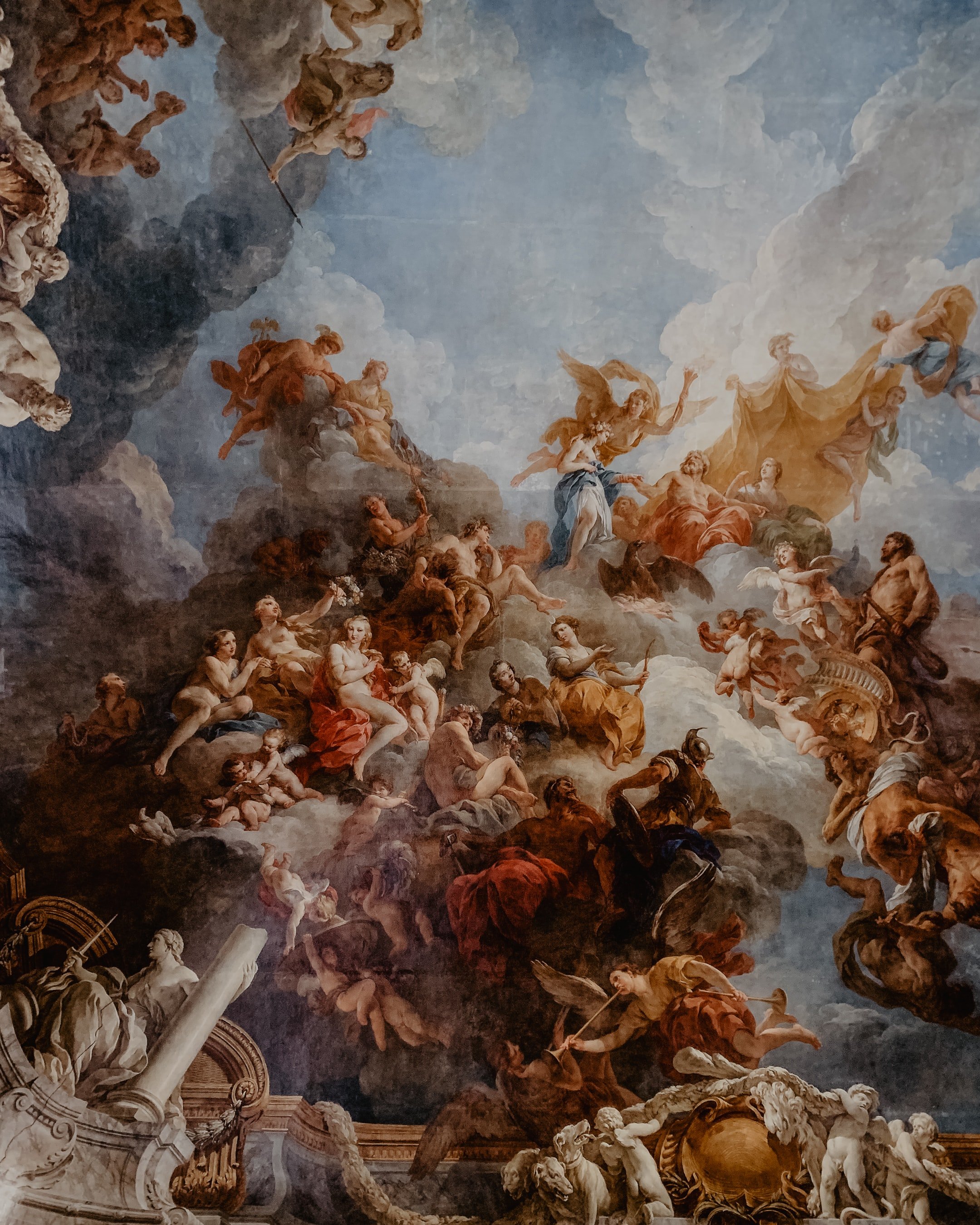
Educating the Whole Person

Manifesting Charlotte-Mason’s Values

  • As Atmosphere

  • As Discipline

  • As life

The Aurelian Way

Steps to a Holistic Life of Learning

  • 1: Embrace Heritage

    Choose a major ethnic canon to study as a specialty and explore our free classics library:

  • 2: Restore Culture

    Choose a training program to guide your career and explore our free skills catalogue to grow:

  • 3: Personalize Education

    Choose a self-paced track to pursue your interests and explore our free K-12 lessons:

  • 4: Develop Community

    Choose a community development program and explore our goals to help rebuild society: